
GFCI
Electrical leakage and shock risk
Layered residential protection
GFCI, AFCI, surge protection, smoke and carbon-monoxide alarms, and generator transfer solutions for safer West Island homes.
Electrical safety is not provided by one breaker or alarm. Electrilex assesses the panel, circuits, equipment and household needs before coordinating the right layers of protection. Every project is planned by a master electrician with more than 20 years of residential experience.
Different risks. Different protection.
No single device covers every electrical risk. A clear protection plan starts by understanding each device’s job.
Electrical leakage and shock risk
Dangerous electrical arcing
Transient voltage affecting equipment
Early warning of smoke or fire
Detection of carbon monoxide
Controlled generator-to-home power
Circuit-level protection
Each technology monitors a different electrical condition. The circuit, location, panel and connected equipment determine the appropriate solution.
A GFCI monitors current flow and disconnects when it detects leakage that may create a shock hazard. It is commonly used where electricity may be exposed to moisture or grounded surfaces.
An AFCI recognizes electrical arcing patterns that an ordinary breaker may not detect. Arcing can be associated with damaged cables, loose connections, deteriorated cords or wiring affected by renovations.
Repeated tripping can involve connected equipment, wiring, moisture, a loose connection or compatibility. Testing identifies the cause before a protective device is replaced.
Protection for a connected home
A panel-installed surge protective device helps divert certain transient voltage surges before they travel through branch circuits. It adds an important protective layer for appliances, electronics, heating controls, EV chargers, heat pumps and smart-home equipment—but no device can guarantee protection from every surge or direct lightning event.
Life-safety warning devices
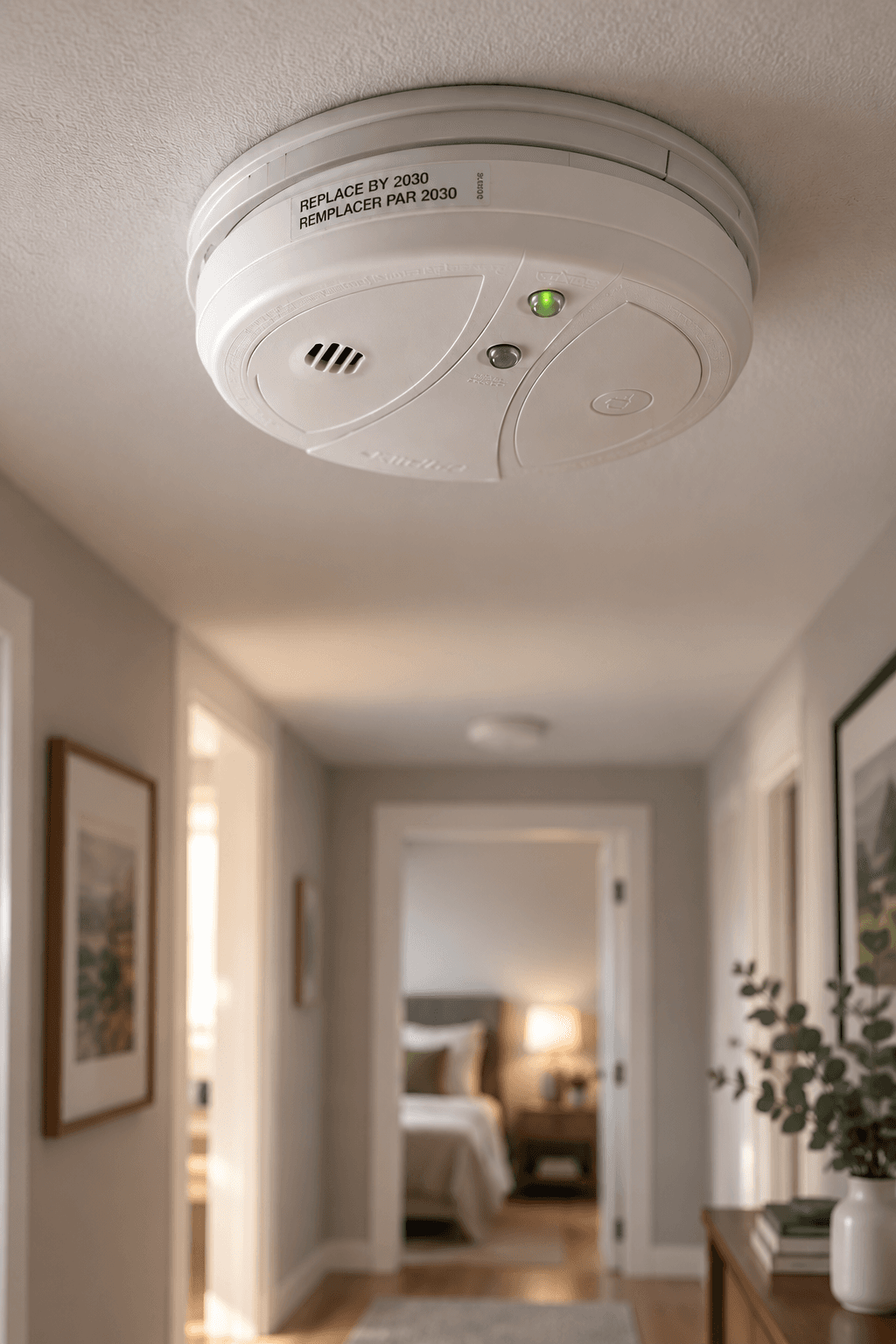
A smoke alarm does not detect carbon monoxide. Approved devices, correct placement, suitable power and interconnection are planned around the home and applicable local requirements.
Hardwired smoke alarms, battery-backup models and interconnection can be evaluated during replacement or renovation work.
Certified permanently connected CO alarms or approved combination units can be planned for homes with relevant combustion or attached-garage risks.
Alarm age, manufacturer instructions, power source and the ability to hear alarms throughout the home all matter.
Safe backup power
A compatible manual transfer system allows selected home circuits to be supplied from an approved generator while isolating the residence from Hydro-Québec’s network. Improvised panel connections can create dangerous backfeeding and must never be used.
Hydro-Québec backup-power safetyAssessment before devices
Installing a safety device without understanding the existing circuit can create nuisance tripping, compatibility problems or a false sense of protection. Electrilex reviews the panel, accessible wiring, grounding, circuit use and existing devices before defining the work.
Explore residential electrical inspectionsAddress safety concerns identified during assessment.
Add protection connected to the planned work or circuit.
Strengthen whole-home protection where it adds real value.
Plan upgrades that can be completed logically over time.
Residential protection nearby
Local experience helps us recognize older panels, additions, renovations and protective devices installed during different electrical eras.
Safety built on trust
★★★★★“Daniel pays attention to every important detail and explains his recommendations in a way that is easy to understand.”
★★★★★“Daniel is a true professional with outstanding knowledge and impeccable workmanship.”
★★★★★“He arrived on time, did an excellent job, explained everything clearly and was fair in his pricing.”
Electrical protection FAQ
Yes. One correctly connected device can protect compatible downstream receptacles. The protected locations should be identified and tested.
The cause may involve connected equipment, damaged wiring, a loose connection or another circuit condition. Testing should identify the source before replacement.
No. It provides an important additional layer, but no device can guarantee protection from every surge or direct lightning event.
Yes, approved combination units are available. The device, location, power source and local requirements must suit the home.
Not through an improvised connection. An approved transfer system must isolate the residence from the utility network and be installed correctly.
Start a conversation
Call or email Electrilex to discuss a residential electrical concern, installation, or renovation.